Featured
Some Known Details About Understanding the Investment of ...
Unknown Facts About Is Behavioral Finance in Debt Recover...
Not known Details About Creating a Personalized Financial...
Some Known Details About Economic Uncertainty and How Mor...

How Restoring Personal Financial Standing Following Debt Forgiveness can Save You Time, Stress, and Money.
Table of Contents
That maximizes money in the short term, and you may have three to four years to conserve toward the negotiation quantity. Very unsafe to debt scores, mostly because of missed out on repayments and an adverse "worked out" mark that can remain on your credit rating record for as much as seven yearsMay be just option if various other alternatives (financial obligation consolidation, equilibrium transfer charge card, debt mercy) aren't possibleTypically needs a charge to the third celebration, which might counter some or all of the cost savings from financial obligation settlementMay aid you prevent personal bankruptcy if you have actually missed a number of paymentsNot all lenders function with financial debt settlement firms Financial debt forgiveness may be best for you if you are experiencing a monetary challenge that makes it nearly impossible to pay down your debt equilibriums.
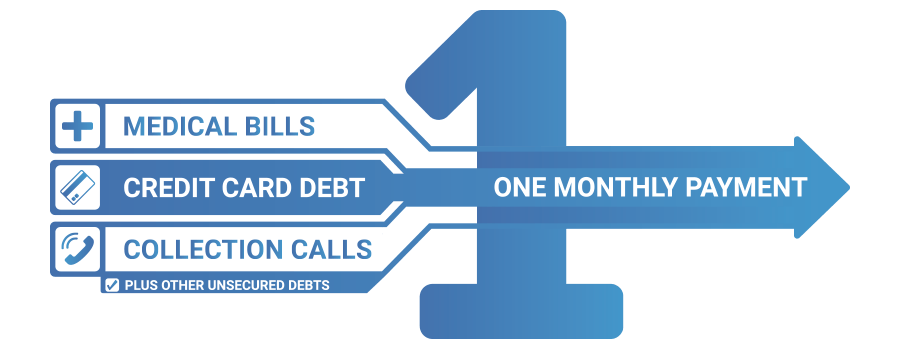
With a DMP, you make one month-to-month settlement to the credit scores counseling company. Those funds are then distributed to lenders of your unsecured financial debts, such as charge card and installment lendings. The firm deals with your financial institutions to minimize passion prices or forgo costs, but some financial institutions may reject such giving ins.
It can assist you pay down financial debt if you're able to safeguard a financing rate that's reduced than the typical rate of the accounts you're combining. You need to avoid from racking up debt on those newly gotten rid of accounts or your financial obligation might grow also greater.
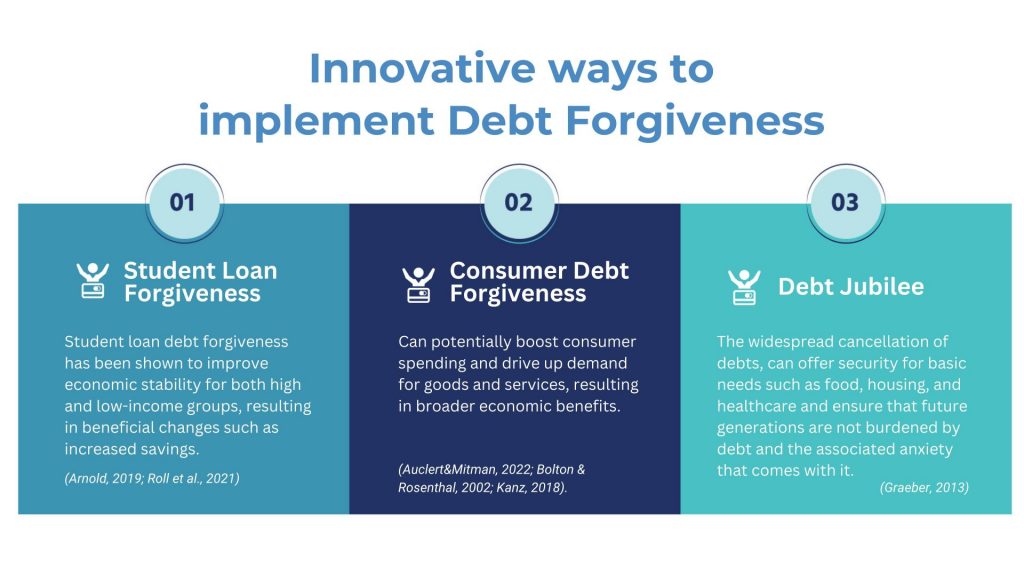
These cards usually offer a 0% rate of interest introductory period of as much as 21 months. That offers you lots of time to remove or considerably decrease your balance while making interest-free settlements. For some individuals encountering impossible financial obligation, bankruptcy might be the only method to quit collection procedures and legally resolve their financial obligations.
6 Simple Techniques For Rebuilding Your Financial Standing After Bankruptcy
You might need it if your lender or a collection firm ever attempts to collect on the financial debt in the future. When a loan provider forgives $600 or even more, they are called for to send you Type 1099-C.
Financial obligation forgiveness or settlement usually injures your credit. Anytime you work out a financial debt for less than you owe, it might look like "worked out" on your credit rating record and affect your credit history for 7 years from the day of negotiation. Your credit can additionally drop considerably in the months causing the forgiveness if you fall back on repayments.
Getting The Initial Meeting with a Counselor To Work
Tax obligation debt compromise programs Tax obligation financial debt happens when the amount of taxes you owe surpasses what you have actually paid. This circumstance often results from underreporting revenue, not filing returns promptly, or discrepancies found throughout an IRS audit. The effects of gathering tax financial obligation are significant and can consist of tax obligation liens, which provide the IRS a legal insurance claim to your property as safety and security for the debt.
Incomes and Financial institution Accounts Internal revenue service can impose (confiscate) wages and bank accounts to satisfy the debt. Residential property Seizure In extreme instances, the Internal revenue service can seize and sell building to cover the debt.
Depression, stress and anxiety, and various other psychological wellness issues. Social Preconception Facing lawful action from the IRS can carry social stigma. Damage to reputation and partnerships. Work Opportunities A poor credit history due to tax financial debt can restrict job opportunity. Trouble searching for or maintaining a job. Government Benefits Tax debt may influence eligibility for federal government benefits, such as Social Safety and Medicaid.
Things about Why Waiting Your Debt Problems May Cost You
The OIC thinks about several variables, consisting of the taxpayer's revenue, expenditures, property equity, and ability to pay. Successfully bargaining an OIC can be intricate, calling for a detailed understanding of the IRS's guidelines and a strong debate for why your offer straightens with your capability to pay. It is very important to note that not all applications are accepted, and the process requires in-depth economic disclosure.
The internal revenue service evaluates your general monetary situation, including your earnings, expenses, asset equity, and capability to pay. You must additionally be current with all filing and repayment needs and not remain in an open personal bankruptcy proceeding. The IRS likewise considers your compliance background, evaluating whether you have a document of timely declaring and paying taxes in previous years.
Top Guidelines Of Unsecured Debt Relief Explained
The application procedure for a Deal in Compromise entails a number of comprehensive steps. You must finish and send IRS Form 656, the Deal in Compromise application, and Form 433-A (OIC), a collection information statement for individuals. These forms require thorough monetary details, including information regarding your earnings, debts, costs, and properties.
Back taxes, which are unpaid taxes from previous years, can substantially raise your total IRS financial obligation if not addressed immediately. This financial debt can accumulate rate of interest and late repayment penalties, making the initial quantity owed much larger over time. Failure to repay taxes can lead to the IRS taking enforcement activities, such as providing a tax obligation lien or levy versus your residential or commercial property.
It is very important to deal with back taxes immediately, either by paying the total owed or by setting up a layaway plan with the internal revenue service. By taking proactive actions, you can stay clear of the buildup of extra rate of interest and penalties, and avoid more hostile collection activities by the IRS.
One common reason is the idea that the taxpayer can pay the total either as a round figure or with a layaway plan. The IRS also thinks about the taxpayer's income, costs, asset equity, and future earning possibility. If these elements suggest that the taxpayer can manage to pay more than the provided amount, the internal revenue service is most likely to deny the deal.
Rumored Buzz on Building a Personalized Financial Recovery Roadmap
It is important to supply accurate and complete info in your application and to talk to a tax professional to enhance the chances of approval. Handling IRS financial debt can be complicated and challenging. Tax obligation specialists, such as Certified public accountants, tax lawyers, or registered representatives, can provide invaluable aid. They have the experience to browse the ins and outs of tax legislation and IRS procedures.

Table of Contents
Latest Posts
Some Known Details About Understanding the Investment of Bankruptcy Counseling

Unknown Facts About Is Behavioral Finance in Debt Recovery: How Psychology Shapes Repayment Success Make Sense for Everyone
Not known Details About Creating a Personalized Financial Recovery Plan
More
Latest Posts
Some Known Details About Understanding the Investment of Bankruptcy Counseling
Unknown Facts About Is Behavioral Finance in Debt Recovery: How Psychology Shapes Repayment Success Make Sense for Everyone
Not known Details About Creating a Personalized Financial Recovery Plan